Tourism & recreation
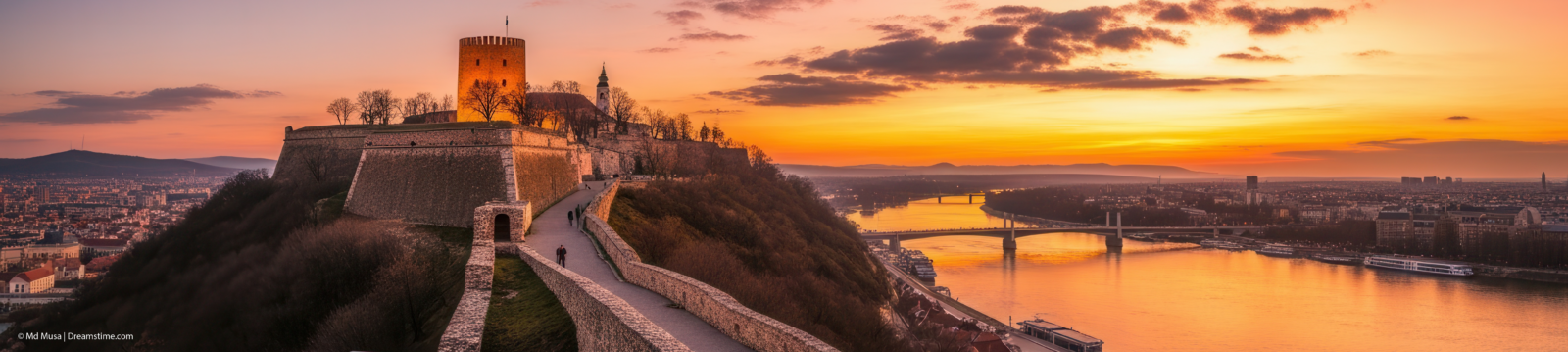
Inland waterways are a strategic asset within Europe’s tourism landscape. Rivers and canals connect major cities, rural communities, and diverse natural environments, offering unique opportunities for both travel and regional development. As tourism continues to evolve toward more sustainable and experience-driven models, inland waterways provide an outlet for tourism where transportation, heritage, and nature intersect. Inland waterways support local economies, preserve cultural identities, and enable visitors to engage more deeply with Europe’s diverse landscapes, making them an increasingly important component of a resilient and sustainable tourism sector.
On and along waterways
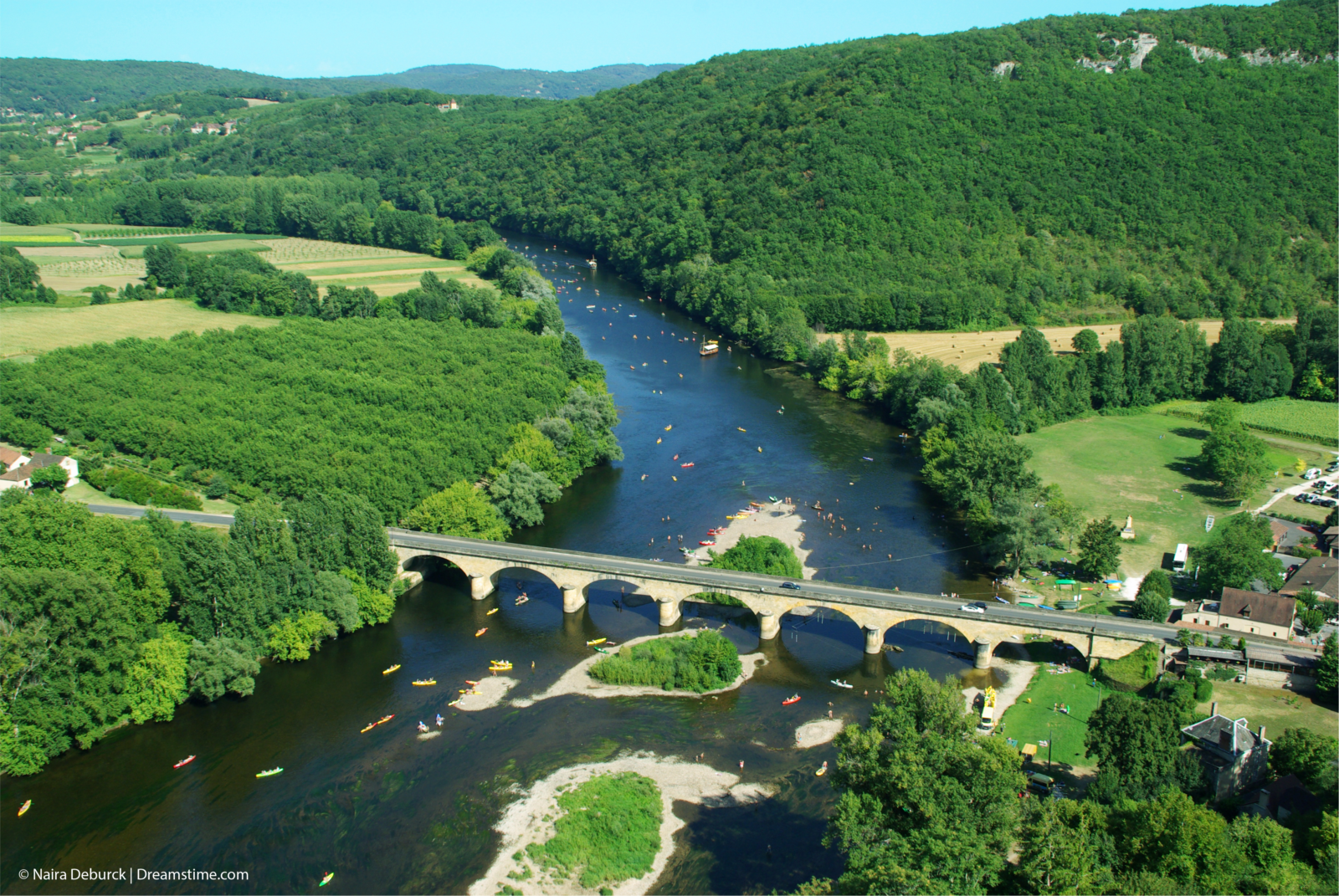
Tourism on and along inland waterways encompasses a wide range of activities, from river cruising and recreational boating to kayaking, cycling, walking, gastronomy, and cultural exploration. Waterway tourism offers an appealing tourism model where the journey itself is central. Waterway managers play a key role in this ecosystem by maintaining infrastructure, ensuring safe navigation, and enabling multi-use access for both commercial and recreational users. Through targeted investment, harmonised governance, and stronger collaboration between waterway authorities, tourism operators, and local communities, Europe can fully leverage its waterways to deliver a tourism model that is sustainable, competitive, and connected to its cultural and natural heritage.
Sustained support for national‑level infrastructure is therefore not a secondary priority; it is a strategic necessity for unlocking the full potential of Europe’s inland waterway cross-border corridors.
Active Tourism Coalition
INE joined the Active Tourism Coalition in 2026 to reinforce the role of inland waterways in shaping a more sustainable tourism future across Europe. This coalition brings together stakeholders committed to promoting active outdoor activities such as cycling, hiking, and water-based recreation. By participating in this initiative, INE aims to ensure that inland waterways and Active Tourism are recognised as key enablers of European sustainable tourism at the EU policy level. The proposals for the European Sustainable Tourism Strategy are particularly pertinent as they offer pathways toward a more competitive, resilient and sustainable EU tourism landscape.
Sustainable Tourism Strategy
INE’s contribution to the upcoming EU Sustainable Tourism Strategy highlights the untapped potential of inland waterways as part of a more sustainable and integrated European tourism system. With the river tourism sector rebounding to pre-COVID levels and now growing, there is a timely opportunity to expand its role in sustainable tourism. The contribution emphasizes the need to incorporate waterways into tourism policy by recognising their multi-functional uses, improving cross-sector coordination, and investing in the resilience of waterway infrastructure and the competitiveness of its dynamic workforce. There are of course challenges to bear in mind alongside opportunities; climate change affects navigability while invasive species and water quality threaten ecosystems. Coordinated effort toward emissions reduction, electrification, and improved waste management are also needed. Digital tools are present but require further development, and standardised EU-wide data and safety information are essential to boost security, visibility, and resilience. Despite these challenges, inland waterways offer multifaceted opportunities to bolster regional development, reduce congestion in areas of mass tourism, and promote sustainable travel options and activities across the continent.