Discovering Ghent: a historic city with impressionable waterways
29 October 2026
While many international visitors to Belgium dream of the picturesque canals of Bruges, Ghent offers an equally enchanting experience just 23 minutes by train from the famed tourist hub. Situated at the confluence of the Scheldt and Lys, this vibrant city has been shaped by its waterways for more than a thousand years. From a medieval trading powerhouse to a modern city where tourism, transport and urban life still thrive along the water, Ghent reveals how waterways can shape a city’s past, present and future and why it’s worth a visit.
The first settlements around the confluence date back as far as the 7th century, and by the 13th century, Ghent had become one of Europe’s largest cities. Today, those same rivers and canals remain at the heart of the visitor experience, offering many opportunities to discover the city’s history, culture, and atmosphere along the water.
“Ghent’s story is inseparable from its waterways, which have shaped the city’s identity, prosperity and urban landscape for more than a thousand years.”
Ghent’s story is inseparable from its waterways. The city reached its peak influence in the 14th and 15th centuries during the late Middle Ages, when it was one of the wealthiest and most important urban centres in Europe. Its rivers supported the trade and textile industries that fueled this prosperity, while the area now known as the Graslei and Korenlei served as part of the city’s bustling medieval harbour. Today’s lively waterfronts lined with historic façades and terraces were once at the centre of industrial activity and commerce. Today, visitors sitting at waterside cafés or walking past historic guild houses can still sense the stories of the past.
Like many European cities, the Black Plague decimated the population and ongoing prosperity of Ghent, yet the city saw a comeback thanks to its location and strategic use of its waterways. Over several centuries, new canals were developed to strengthen connections with surrounding regions and improve access to the sea. These water routes became an increasingly important part of the infrastructure that supported the city’s economy and development. The story of Ghent therefore remains closely intertwined with its waterways, and this connection is still visible today.
During the warmer months, visitors have a variety of opportunities to experience the city from the water and along its banks. Whether traveling through the historic centre on a boat tour, paddling the waterways by kayak or stand-up paddleboard, or following waterside paths by foot or bike, there are many ways to explore Ghent at a slower pace. The city’s hop-on, hop-off water tram is another unique offering, allowing visitors to use the waterways not only for sightseeing but as a transport route in its own right.
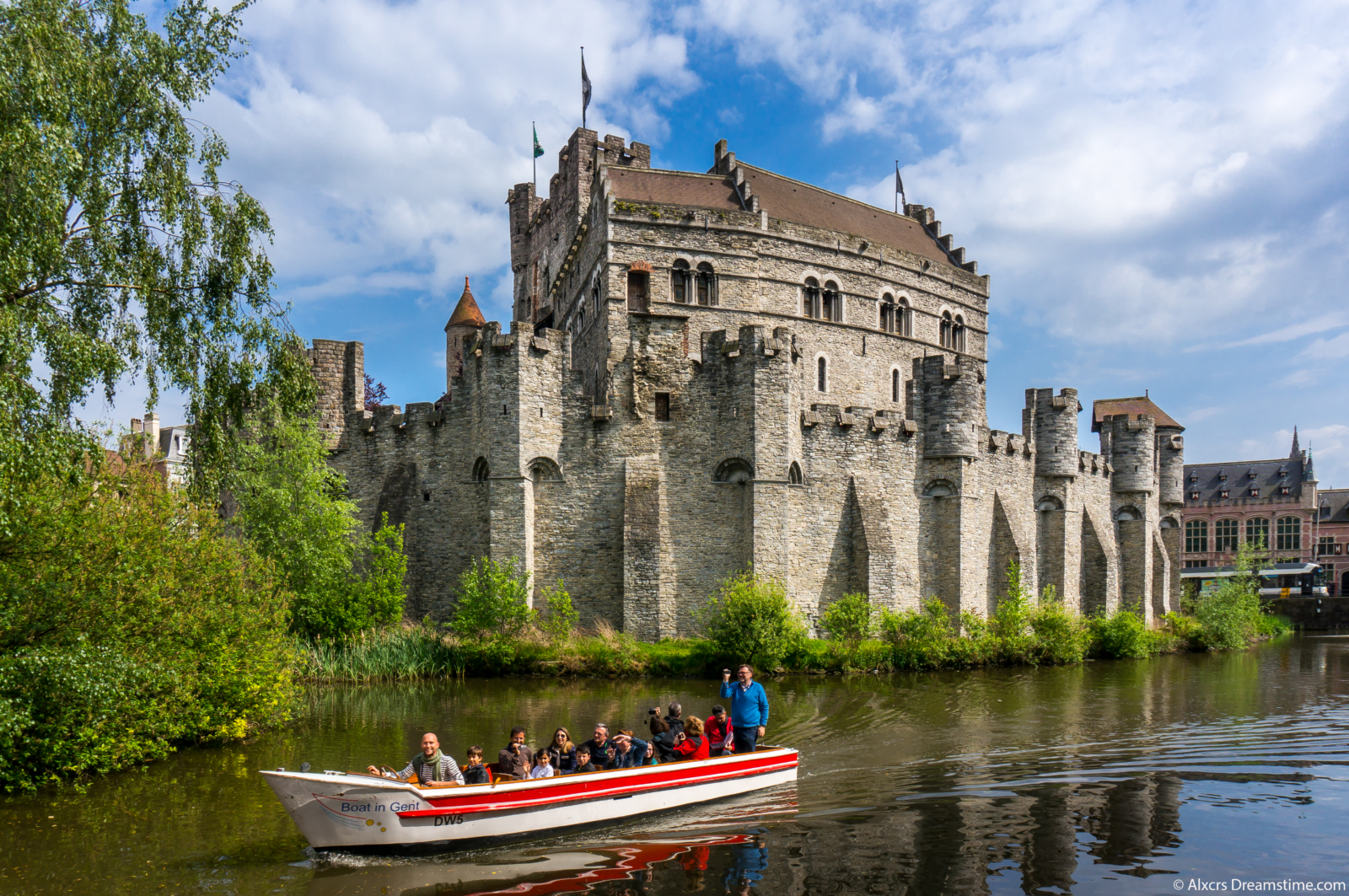
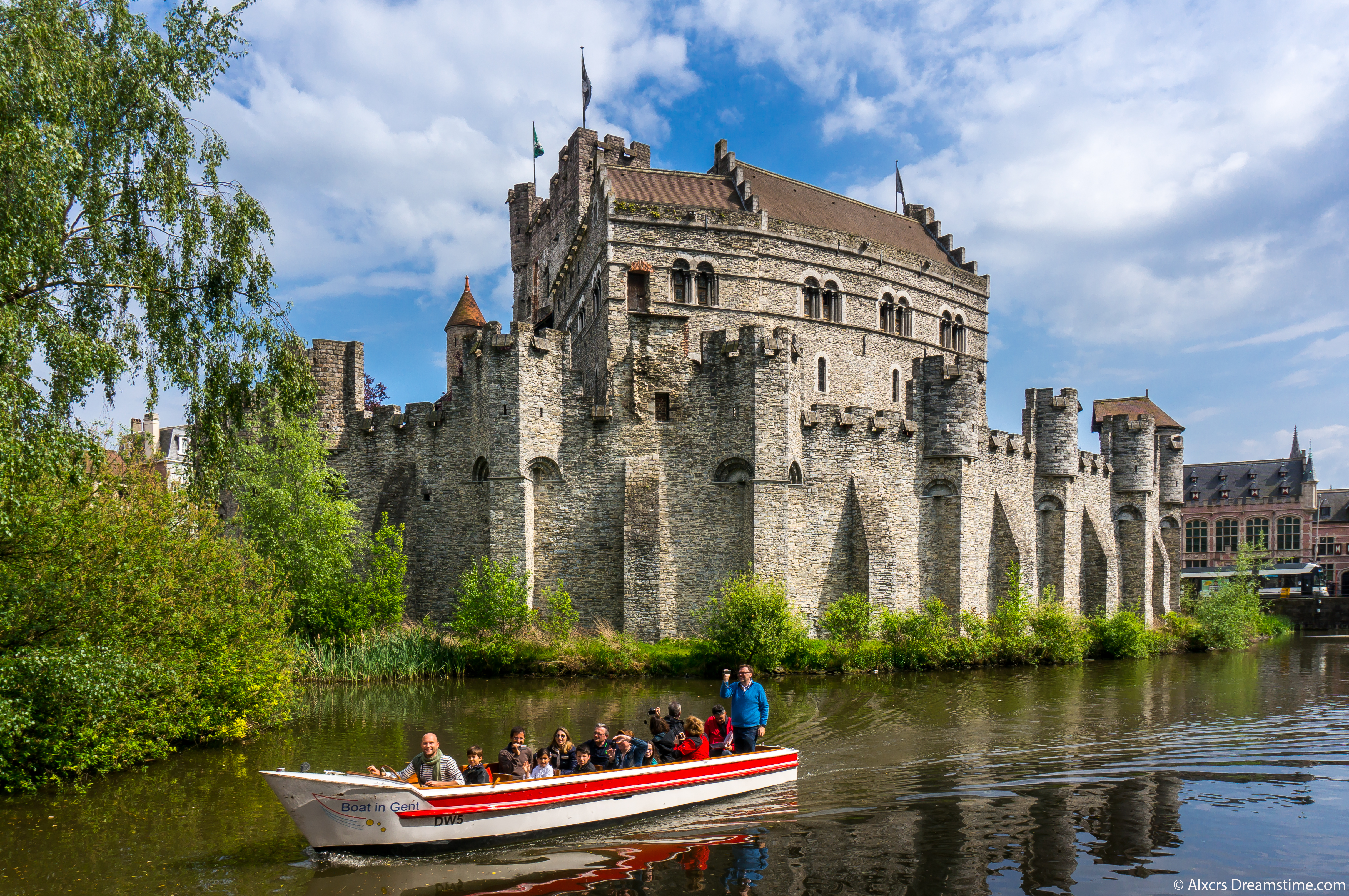
For visitors exploring Ghent during the colder winter months, boat tours remain available, and are highly recommended in any season as a first introduction to the city’s sights and history. A boat trip offers views of not only historic buildings along the water such as the Gravensteen castle or the picturesque façades of the Graslei, but also the impressive structures further afield such as St. Bavo’s Cathedral, Saint Nicholas’ Church and the Belfry of Ghent.
“For me, Ghent’s greatest strength is its incredible diversity. Its waterways offer something for everyone: paddleboarding past the Gravensteen, discovering historic buildings and hidden gems like Appelbrugparkje from a rental boat, or arriving with your own pleasure craft and mooring in one of five welcoming marinas, some right in the heart of the city. With such an extensive network of waterways running through and around the city, there are so many different ways to experience Ghent from the water. That variety is what makes it so unique.” – Anne-Marie Godderis, De Vlaamse Waterweg
Today, the role of Ghent’s waterways continues to extend beyond recreation. The city remains an important centre for commercial navigation, with its port connected to the North Sea and the wider European waterway network. Goods continue to move by water, maintaining a link between Ghent’s historic water-based economy and the importance that remains today.
In recent years, pilot projects have used the city’s canals and rivers to transport construction materials to sites in the historic centre and serving as a testbed for sustainable delivery methods. While still limited in scale, these initiatives showcase how waterways can simultaneously contribute to both sustainable urban logistics and visitor experiences.
“Ghent’s waterways are more than a historic backdrop: they remain vital routes for transport, recreation, commerce and everyday urban life.”
This combination of uses is what makes Ghent’s waterways and life along the water particularly interesting to explore, as the waterways have shaped the city’s unique character and remain central to the prosperity and quality of life that define Ghent today. They are simultaneously routes for transport, spaces for recreation, connections to nature and part of the city’s historic identity. For visitors, they offer a unique perspective on a city where centuries of history and modern life meet.